How To Purchase Travel Insurance Smartly
Traveling brings excitement, adventure, and the thrill of new experiences, but it also comes with unexpected risks. From trip cancellations to medical emergencies abroad, unforeseen events can quickly turn your journey into a challenging ordeal. That’s where travel insurance steps in, offering a safety net so you can explore the world with peace of mind. Let’s delve into the essentials of purchasing travel insurance and how to make sure you choose the right plan for your trip.
Understanding the Basics
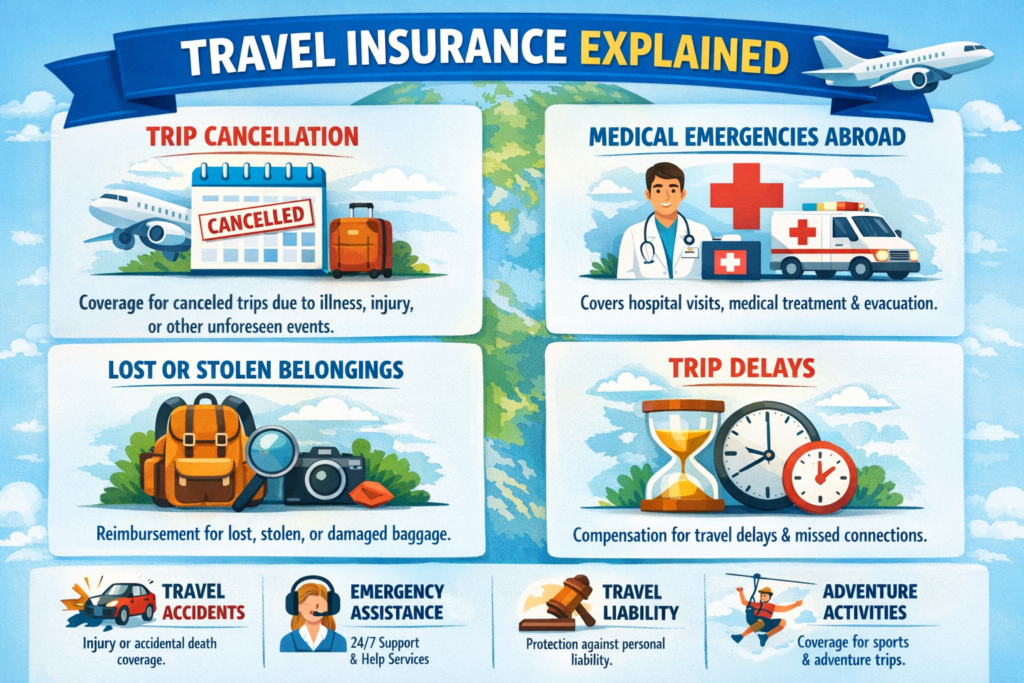
Travel insurance is designed to protect you from financial losses that may occur while traveling. The most common types of coverage include trip cancellation or interruption, emergency medical expenses, evacuation, lost baggage, and, in some cases, personal liability. Each policy differs, so understanding what is and isn’t covered is crucial before making a purchase. Knowing these basics will help you identify which protection areas are essential for your travels.
Trip cancellation and interruption coverage typically reimburses you for prepaid, non-refundable expenses if you need to cancel or cut your trip short for covered reasons such as illness, a family emergency, or severe weather. Medical coverage, on the other hand, pays for treatment if you fall sick or get injured while traveling, which is especially important when traveling abroad, since your domestic health insurance might not extend overseas. Baggage protection can compensate you for lost, stolen, or delayed luggage, helping you recover essentials and reduce stress.
Some policies also offer extras, such as coverage for rental car damage, accidental death, or adventure sports, which may require additional riders or upgrades. Understanding these options allows you to tailor your insurance to your itinerary and activities. Before purchasing, consider the specific risks associated with your destination and travel plans to ensure adequate and relevant coverage.
Key Factors to Consider Before Purchasing Travel Insurance
Before settling on a travel insurance policy, consider the nature of your trip—its destination, duration, and planned activities all play pivotal roles. For instance, if you’re heading to a region with high medical costs or political instability, robust medical and evacuation coverage should be a priority. Likewise, adventure activities such as skiing or scuba diving may require specialized coverage that is not included in standard plans.
Your personal health and pre-existing conditions are also vital factors. Some policies exclude coverage for pre-existing medical conditions unless you purchase a waiver or upgrade. Review your current health insurance to understand what it covers abroad, and use that information to address any gaps through your travel insurance plan.
Budget matters too. While it can be tempting to opt for the cheapest plan, it’s important to balance affordability with comprehensive protection. Take time to calculate the overall value of your trip and the potential costs of emergencies—sometimes spending a little more upfront can save you from significant losses later. Read through the policy’s exclusions and limitations to avoid surprises during your journey.
Comparing Providers and Reading the Fine Print
With countless providers offering a wide array of travel insurance products, comparing options is essential. Start by looking for reputable companies with strong customer reviews and reliable claims processes. Online comparison tools can help you evaluate various plans side by side, focusing on coverage limits, benefits, and pricing.
Pay special attention to the fine print. Policies may look similar at first glance but can differ significantly in exclusions, deductibles, and claim requirements. For example, some plans may exclude cancellations due to pandemics or civil unrest. While others offer a “Cancel for Any Reason” (CFAR) upgrade for added flexibility. Scrutinize the terms regarding pre-existing condition waivers, reimbursement limits, and what documentation is needed to support a claim.
Don’t hesitate to reach out to providers with questions. Clarifying ambiguous terms in advance can prevent disputes later on. Additionally, review the company’s support channels; 24/7 assistance is invaluable if you encounter issues while abroad. Doing your due diligence ensures you choose a trustworthy provider and a policy that meets your unique needs.
Steps to Purchase and Activate Your Travel Insurance
Once you’ve selected your travel insurance policy, purchasing and activating it is straightforward. Begin by filling out the application with accurate details about your trip, including travel dates, destinations, traveler ages, and any specific activities you’ll be participating in. Providing accurate information is critical, as inaccuracies can lead to claim denials.
Carefully review your application before finalizing the purchase. Many providers allow you to add optional coverages or riders at this stage, such as “Cancel for Any Reason” or coverage for high-value electronics. After payment, you’ll receive a confirmation email containing your policy documents, coverage details, and emergency instructions.
To activate your coverage, ensure the policy is purchased within the specified timeframe—typically within a set number of days after your initial trip deposit or booking. Store digital and printed copies of your policy, emergency contact numbers, and claim forms. Should you need assistance while traveling, contact your insurance provider as soon as possible.
Conclusion On Purchasing Travel Insurance
Buying travel insurance doesn’t have to be complicated, but it does require thoughtful consideration and some research. By understanding what’s covered, comparing providers, and following a clear purchasing process, you can travel with confidence. The peace of mind a good travel insurance policy provides is invaluable, allowing you to focus on making memories.
